

Beginner Hunter's Guide: Safety, Skills, and Essential Gear
Mar 31, 2026
Hunting can be a rewarding outdoor activity that connects people with nature, teaches patience, and provides a sustainable source of food. For beginners, however, it is important to start with a strong foundation in safety, practical skills, and the right equipment. This guide offers a clear introduction to help new hunters begin their journey responsibly and confidently.
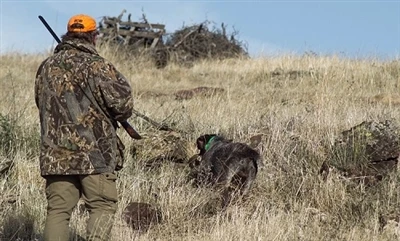
1. Safety Comes First
Safety is the most important aspect of hunting. Before entering the field, every beginner should complete a certified hunter education course. These courses teach essential rules such as always treating a firearm as if it is loaded, keeping the muzzle pointed in a safe direction, and being certain of your target and what lies beyond it.
Wearing high-visibility clothing, such as blaze orange, is also critical to prevent accidents. Additionally, always inform someone of your hunting location and expected return time. Understanding local laws and regulations is another key part of safety, as rules vary depending on location, species, and season.
2. Learning Basic Hunting Skills
Successful hunting requires more than just equipment-it demands skill and knowledge. Beginners should start by learning how to identify animal tracks, signs, and habitats. Observing wildlife behavior helps hunters predict movement patterns and increases the chances of a successful hunt.
Another essential skill is marksmanship. Practice shooting regularly at a controlled range to improve accuracy and confidence. Equally important is learning how to handle and maintain your firearm or bow properly.
Patience and discipline are also vital traits. Hunting often involves long periods of waiting and careful observation. Moving quietly, staying downwind, and blending into the environment can make a significant difference.
3. Choosing the Right Gear
Having the right equipment enhances both safety and effectiveness. Beginners do not need the most expensive gear, but they should invest in reliable essentials.
A suitable firearm or bow should match the type of game being hunted and the hunter's experience level. Ammunition or arrows must also be appropriate for the chosen game. Comfortable, weather-appropriate clothing and sturdy boots are essential for long hours outdoors.
Other important gear includes a hunting knife, binoculars, a backpack, and navigation tools such as a GPS device or map and compass. A first aid kit should always be carried in case of emergencies.
4. Ethical and Responsible Hunting
Ethics play a crucial role in hunting. Responsible hunters respect wildlife, follow regulations, and aim for clean, humane shots. Avoid taking risky shots that could injure rather than quickly kill an animal.
It is also important to respect the environment by minimizing waste and leaving no trace. Many hunters value conservation and contribute to maintaining healthy ecosystems.
5. Start Small and Keep Learning
Beginners should start with small game, such as rabbits or birds, which are generally easier to hunt and help build confidence. Joining experienced hunters or local hunting groups can provide valuable mentorship and guidance.
Hunting is a lifelong learning process. Each trip offers new lessons and opportunities to improve. By prioritizing safety, developing skills, and using the right gear, new hunters can enjoy a fulfilling and responsible hunting experience.


